
Expert Picks for Top Drainage Service Tools and Supplies
Uncover the most trusted products used by industry experts to tackle drainage challenges effectively and efficiently.
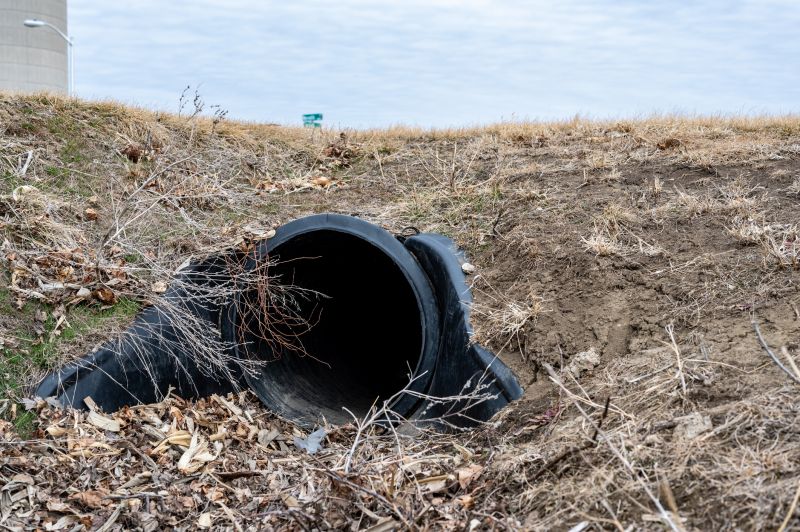 Proper drainage is essential for maintaining the integrity and safety of residential and commercial properties in Flower Mound, TX. Effective drainage solutions help prevent water accumulation, reduce erosion, and protect foundations from water damage. When selecting products for drainage service, it is important to consider the specific needs of the property, including soil type, landscape layout, and water flow patterns. A comprehensive approach often involves a combination of different products tailored to address various drainage challenges.
Top Overall Option
Flexible Drainage Pipe System
A flexible drainage pipe system offers adaptable and efficient water management for various property layouts. These systems are designed to be easy to install, modify, and extend, making them suitable for both residential and commercial drainage needs. They effectively channel water away from foundations, gardens, and other areas prone to pooling, helping to maintain property integrity over time.
Types of Products For Drainage Service
French Drains
Subsurface drainage systems that redirect water away from foundations and problem areas.
Sump Pumps
Devices used to remove accumulated water from basements or low-lying areas.
Channel Drains
Surface drainage systems designed to collect and direct surface water runoff.
Downspouts and Splash Blocks
Components that channel roof runoff away from the building foundation.
Drainage Grates
Protective covers that allow water to flow into drainage systems while preventing debris entry.
Perforated Drain Pipes
Pipes with small holes that facilitate water infiltration and drainage.
Catch Basins
Structures that collect surface water and debris before directing it into drainage systems.
Erosion Control Matting
Materials used to stabilize soil and prevent erosion in drainage areas.
Soil Drainage Solutions
Products designed to improve soil permeability and water absorption.
Water Barriers and Berms
Physical barriers that redirect or contain water flow.
Rain Gardens and Bio-retention Systems
Landscape features that promote water infiltration and reduce runoff.
Subsurface Drainage Tiles
Underground pipes that facilitate drainage beneath the surface.
Pipe Connectors and Fittings
Components used to join and extend drainage pipes securely.
Drain Cleaning Tools
Tools such as augers and high-pressure cleaners for maintaining drainage systems.
Waterproof Membranes
Materials that prevent water infiltration in drainage-related structures.
Drainage Inspection Cameras
Cameras used to diagnose issues within underground drainage systems.
Popular Choices
Widely used for redirecting groundwater and surface water away from foundations.
Commonly installed in basements to manage excess water accumulation.
Effective for managing surface water in driveways and patios.
Popular for directing roof runoff safely away from structures.
Frequently used in walkways and driveways to prevent debris blockage.
Versatile for various subsurface drainage applications.
Commonly installed in parking lots and low-lying areas.
Popular for stabilizing slopes and disturbed soil areas.
Chosen for their aesthetic appeal and water management benefits.
Often used in foundation waterproofing and drainage projects.
Essential for maintaining clear and functional drainage systems.
Commonly used in landscape grading and agricultural drainage.
Popular for creating extended drainage networks.
Drainage systems can range from simple solutions like downspouts and splash blocks to more complex installations such as French drains, sump pumps, and channel drains. These systems work together to direct water away from structures and prevent pooling in unwanted areas. Proper installation and maintenance of these products are crucial for ensuring their effectiveness over time.
In Flower Mound, where heavy rainfall can occur during certain seasons, having reliable drainage products can make a significant difference in property management. It is advisable to assess the property's drainage needs carefully and consult with professionals if necessary. Choosing the right products involves understanding their specifications, compatibility with existing systems, and ease of installation. Regular inspection and cleaning of drainage components help maintain optimal performance and longevity.
Key Buying Considerations
- Assess the specific drainage problem to determine the appropriate product type.
- Consider the volume of water that needs to be managed during heavy rainfall.
- Evaluate the soil type and permeability to select suitable drainage solutions.
- Determine the area size and slope to properly size drainage components.
- Check compatibility of products with existing drainage infrastructure.
- Review installation requirements and whether professional help is needed.
- Consider ease of maintenance and accessibility of drainage systems.
- Select durable materials that can withstand local weather conditions.
- Ensure proper sizing of pipes and components to handle expected water flow.
- Look into local building codes and regulations related to drainage systems.
- Think about the long-term performance and potential for clogging or damage.
- Evaluate the aesthetic impact of drainage products on the landscape.
- Budget appropriately for both initial installation and ongoing maintenance.
- Prioritize products with clear installation instructions and support resources.
- Consider environmental factors, even if eco-friendliness is not a primary concern.